From Local Workshops to Real Impact: DRUPWB Training Activities Across All Partner Countries

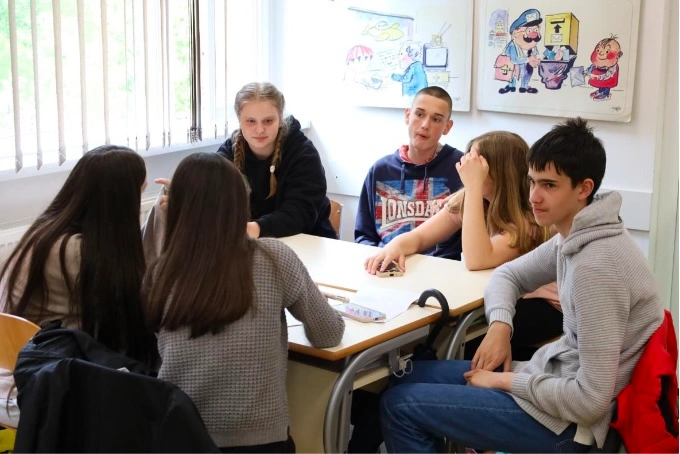
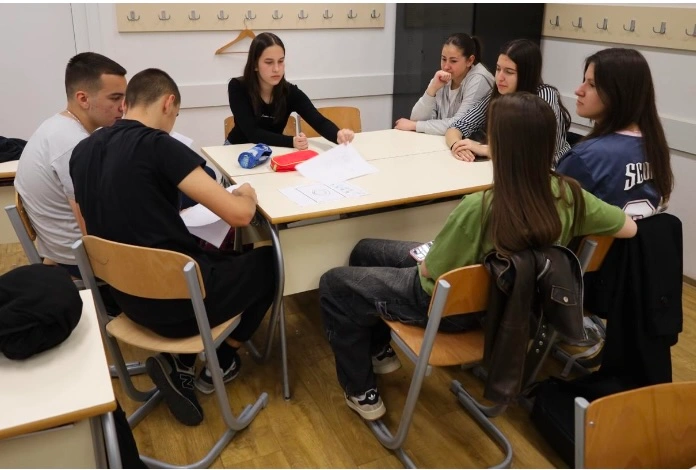
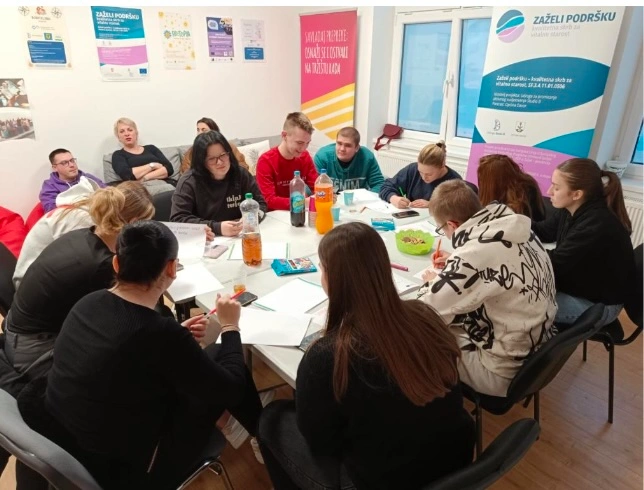
The Digital Response to Unemployment Problems in the Western Balkans (DRUPWB) project has successfully implemented a series of local educational workshops and training sessions across all partner countries, transforming innovative curriculum content into practical learning experiences for diverse target groups.
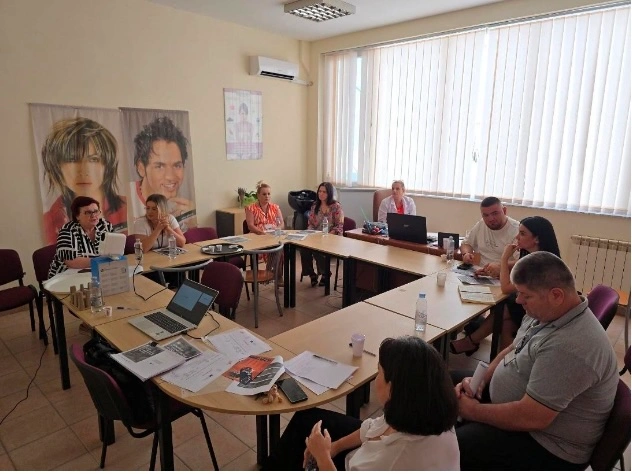
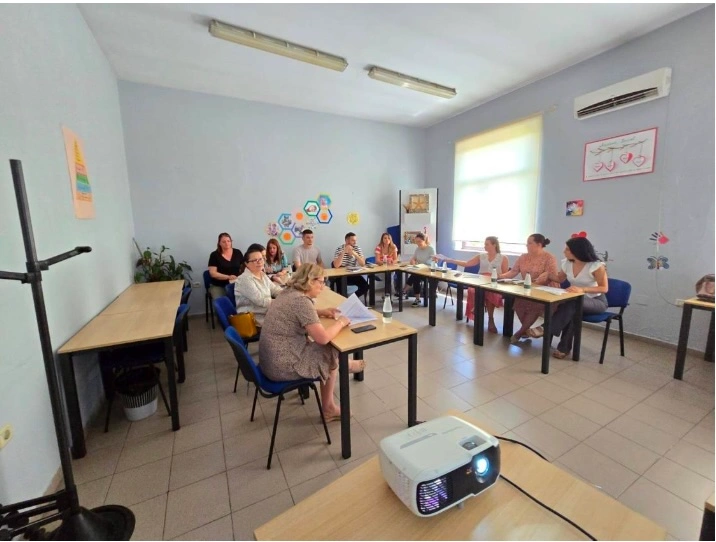
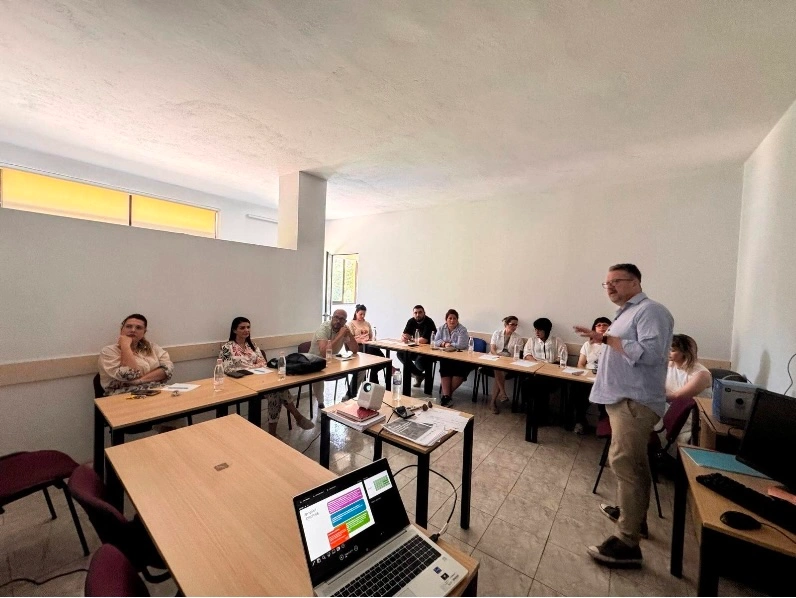
These activities were carried out in Bosnia and Herzegovina, Germany, Croatia, Albania, Montenegro, and Lithuania, ensuring broad geographical coverage and strong cross-country relevance. Across all locations, the workshops focused on strengthening digital, entrepreneurial, and employability skills among young people and adults—particularly those facing barriers to entering the labour market.
A Shared Curriculum, Adapted Locally
All training activities were based on the same 4-module curriculum:
- Virtual Assistance
- Self-Employment
- Starting and Running a Small Business
- No-Code Programming
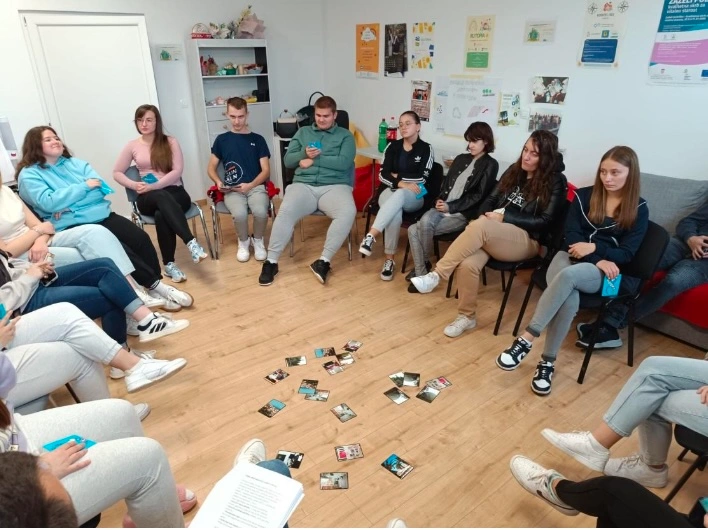
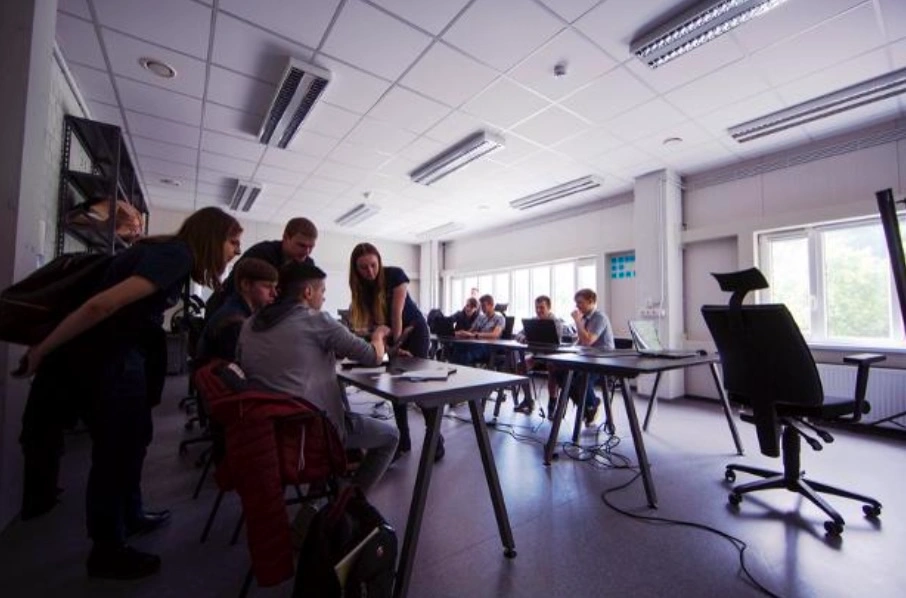
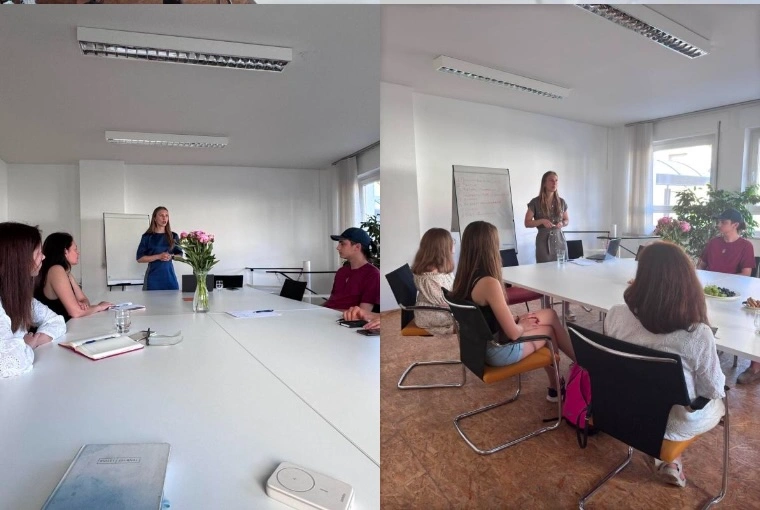
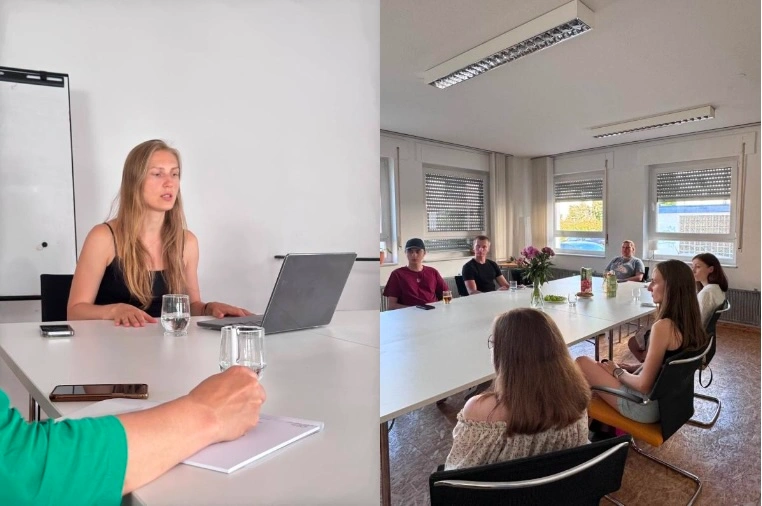
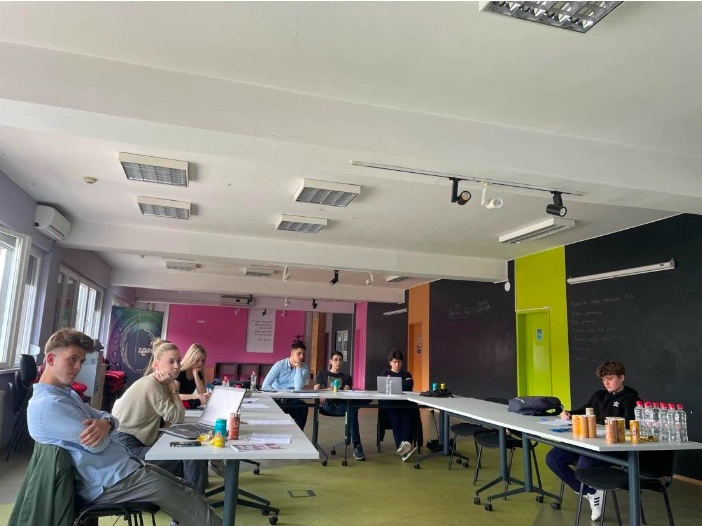
While the structure remained consistent, implementation was adapted to local needs and participant profiles in each country. In Bosnia and Herzegovina, workshops primarily engaged NEET youth and unemployed young people, while in Germany, participants included a broader age range of adults exploring remote work opportunities.
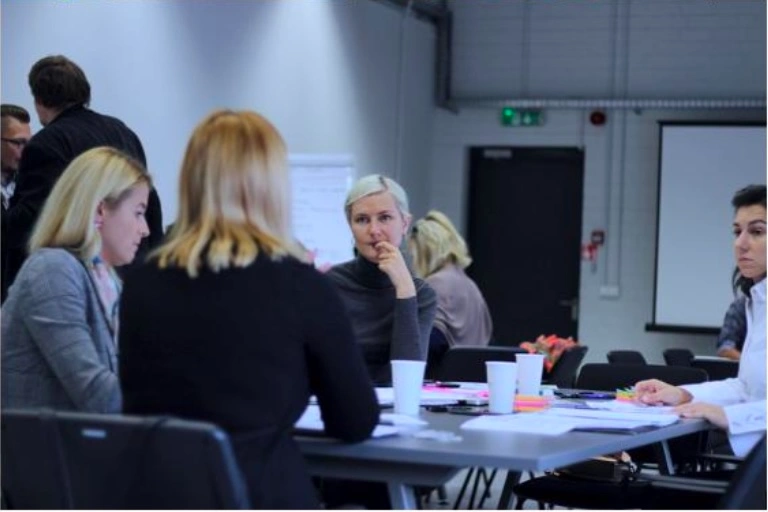
Similarly, in Croatia, Albania, Montenegro, and Lithuania, workshops connected VET providers, businesses, and learners, ensuring that the curriculum reflects real labour market demands and practical use cases.
Diverse Participants, Common Needs
Across all countries, participants included:
- NEET youth and unemployed young people
- Adult learners and job seekers
- Individuals transitioning into digital or freelance work
- Educators and trainers involved in VET systems
Despite differences in background and experience, participants across countries shared similar challenges—limited access to practical training, lack of digital skills, and uncertainty about career pathways. The workshops directly addressed these gaps.
Learning by Doing Across Europe
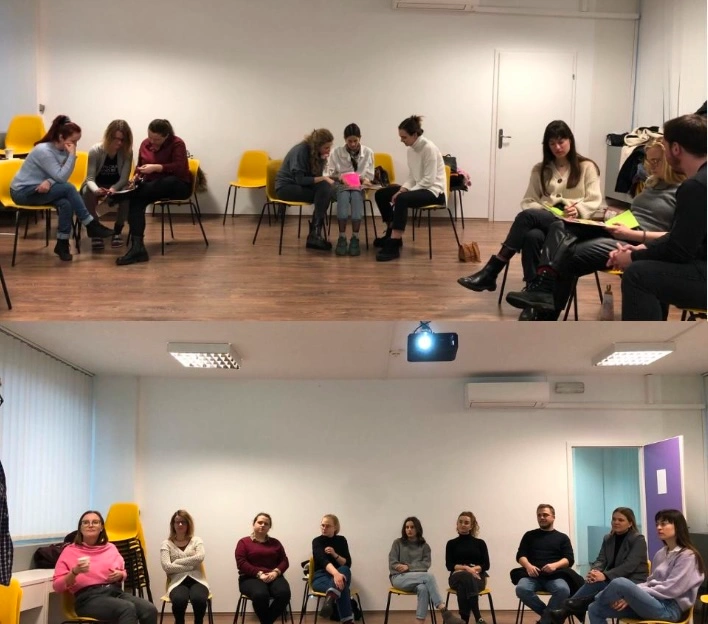
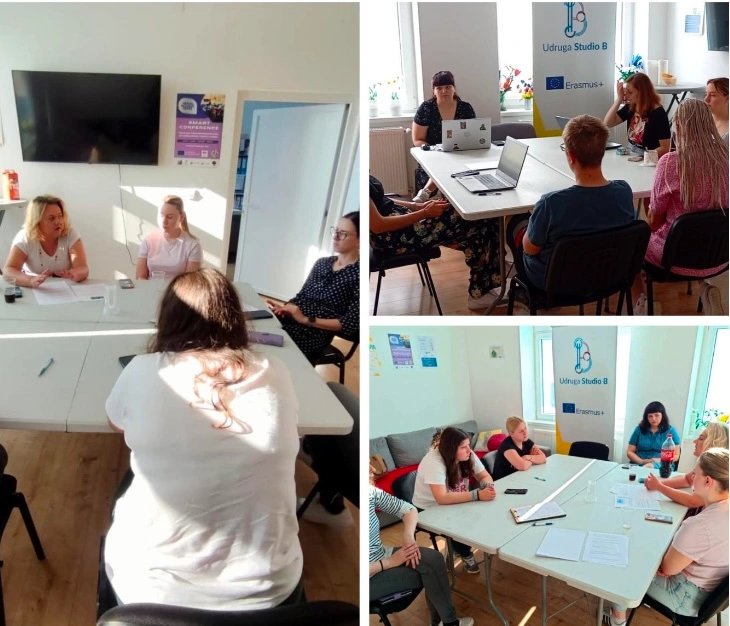
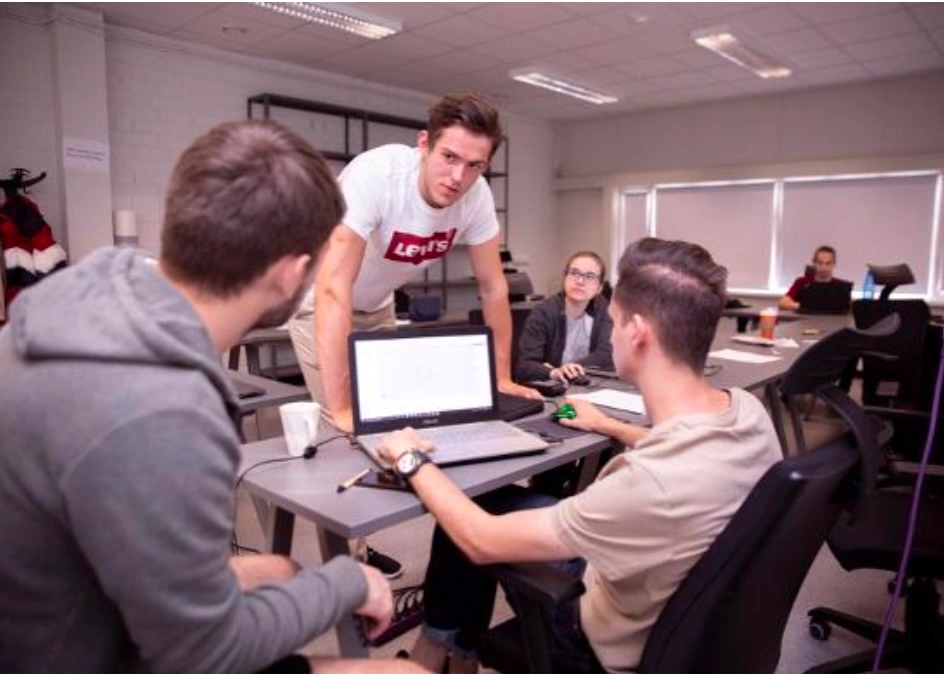
A key strength of the DRUPWB workshops was the use of experiential, hands-on learning methods. Participants were not passive learners—they actively:
- Used digital tools and platforms
- Simulated real work scenarios (freelancing, business development)
- Developed their own ideas, projects, or service offers
- Collaborated in teams and engaged in peer learning
In Bosnia and Herzegovina, participants explored entrepreneurship and no-code tools; in Germany, the focus included productivity, remote work organisation, and digital presence; while in other partner countries, the training blended these approaches based on local priorities.
Strong Engagement and Positive Feedback
Across all six countries, engagement levels were consistently high. Participants responded positively to:
- Practical and applicable content
- Clear structure and progression of the curriculum
- Interactive and supportive learning environments
Many participants described the experience as motivating and “eye-opening,” especially when discovering new digital career pathways. A significant number expressed interest in continuing their learning through the online platform or participating in further project activities.
Beyond Skills: Building Confidence and Direction
The workshops delivered more than technical knowledge. Across all countries, participants developed:
- Confidence in using digital tools
- Communication and teamwork skills
- Problem-solving and entrepreneurial thinking
- Clarity about career opportunities in the digital economy
For many, this was the first step toward exploring freelancing, starting a business, or re-engaging with education and training.
Lessons Learned Across Countries
Implementing workshops in multiple countries provided valuable insights:
- Flexible delivery is essential to accommodate different experience levels
- Local language support and examples improve accessibility
- More time and follow-up sessions enhance learning outcomes
- Mentoring and practical guidance are highly needed after training
These lessons will support further improvement and scaling of the project results.
A Joint Effort for Digital Employability
By delivering coordinated training activities in Bosnia and Herzegovina, Germany, Croatia, Albania, Montenegro, and Lithuania, the DRUPWB project demonstrates the power of transnational cooperation in addressing unemployment and skills gaps.
Across all contexts, one message is clear: practical, accessible, and future-oriented education is essential for enabling individuals to succeed in a rapidly changing labour market.
Through its local workshops, the project is not only building skills—but also opening pathways for long-term employability, entrepreneurship, and inclusion across Europe and the Western Balkans.