Local-Level Meetings Across Europe and the Western Balkans Strengthen Digital Skills Ecosystems
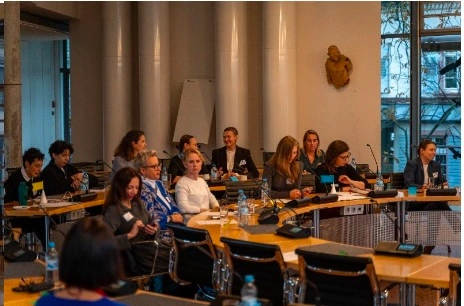
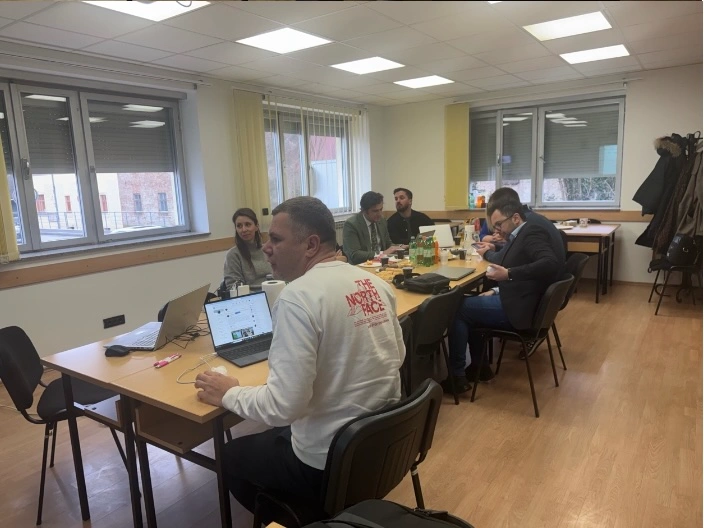
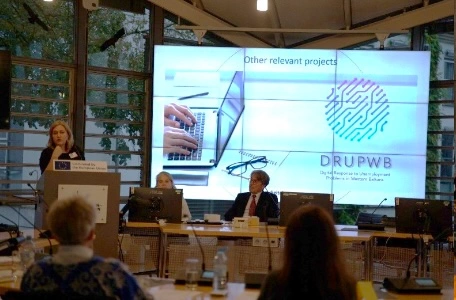
As part of the Digital Response to Unemployment Problems in the Western Balkans (DRUPWB) project, a series of local-level meetings were organised across partner countries, creating a strong foundation for collaboration between vocational education and training (VET) providers, businesses, and public institutions. These meetings played a key role in ensuring that project results are not only disseminated, but actively adopted and integrated into real educational and labour market contexts.
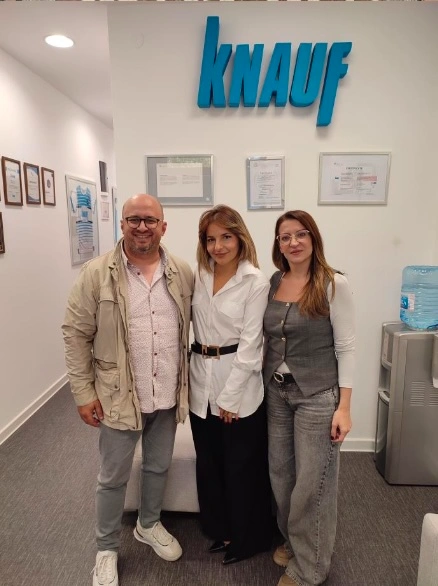
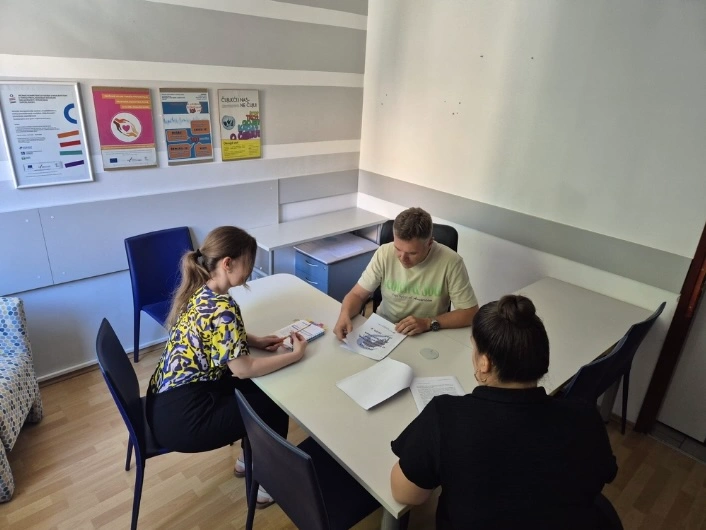
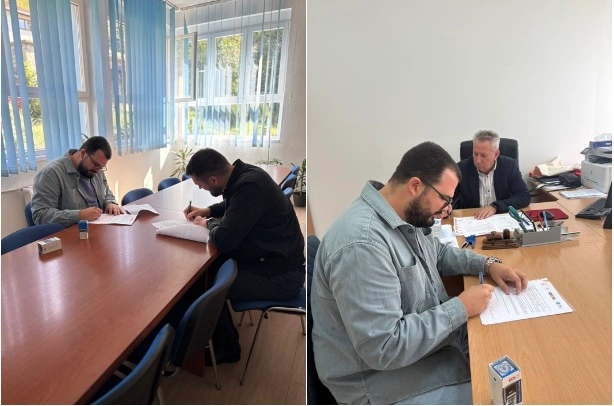
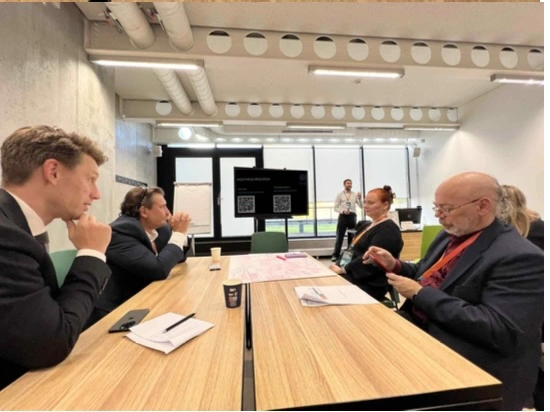
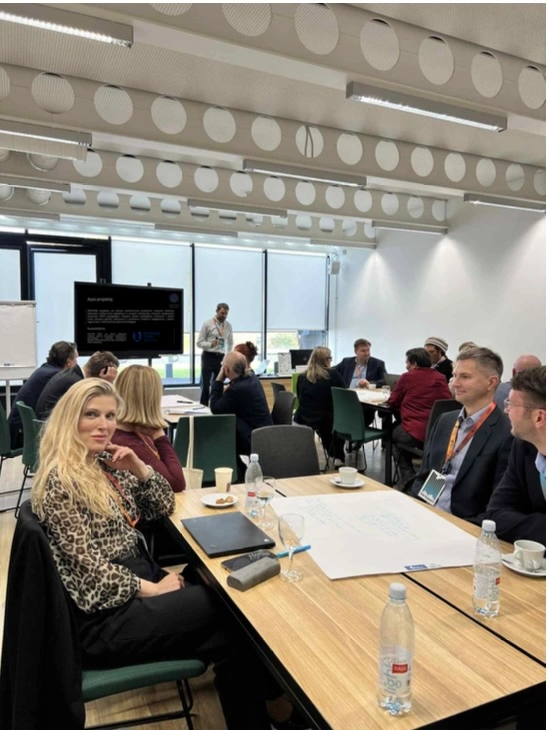
Across countries including Croatia, Albania, Bosnia and Herzegovina, Montenegro, Germany, and Lithuania, partners engaged a wide range of stakeholders—from adult education centres and universities to SMEs, NGOs, and governmental institutions. The meetings created a space for dialogue on digital transformation, employability, and the evolving role of VET systems in addressing labour market needs.
Connecting Education and the Labour Market
A central objective of the meetings was to present the DRUPWB curriculum and Digital HUB, while exploring their practical application in different national contexts. The curriculum, designed around digital, entrepreneurial, and self-employment competences, was recognised as highly relevant for both learners and professionals seeking to adapt to changing job market demands.
At the same time, the Digital HUB was introduced as an accessible and flexible platform supporting online and blended learning. Participants across countries highlighted its value for delivering training, supporting educators, and enabling continuous professional development.
The discussions consistently emphasised the importance of aligning training programmes with real labour market needs, particularly in sectors undergoing digital transformation.
Diverse Stakeholders, Shared Priorities
The meetings brought together a diverse group of participants, ensuring that multiple perspectives were represented. These included:
- VET providers and adult education institutions
- SMEs and companies from digital, logistics, and service sectors
- NGOs working with youth, NEET populations, and vulnerable groups
- Governmental agencies and public institutions
- Trainers, educators, and career counsellors
Despite different national contexts, a shared priority emerged: the need to strengthen digital and entrepreneurial competences as a foundation for employability and economic resilience.
In several countries, stakeholders expressed interest in integrating the curriculum into existing training programmes, while companies explored using the Digital HUB for internal staff development.
Strong Engagement and Practical Feedback
Across all partner countries, participant engagement was high. Meetings were designed as interactive sessions, encouraging discussion, exchange of experiences, and reflection on practical implementation.
Feedback consistently highlighted that the project outputs are:
- Innovative and aligned with current labour market trends
- Practical and adaptable to different educational and business contexts
- Accessible and suitable for both formal and non-formal learning environments
Stakeholders particularly valued the combination of structured curriculum content and digital learning tools, which together create a comprehensive approach to skills development.
Many participants also expressed willingness to pilot the materials, further confirming the relevance and usability of the project results.
Towards Sustainable and Scalable Impact
Beyond dissemination, the local-level meetings contributed to building long-term partnerships and strengthening cooperation between sectors. They highlighted the importance of continued collaboration to ensure that project results are sustainably embedded into local systems.
Common recommendations across countries included:
- Organising practical workshops and demonstrations for wider adoption
- Strengthening cooperation between VET providers and businesses
- Expanding outreach to new target groups, including vulnerable populations
- Promoting the Digital HUB as a long-term learning and collaboration platform
These insights reinforce the project’s role in supporting systemic change, rather than isolated interventions.
A European Approach to Digital Employability
The local-level meetings demonstrated that while challenges may vary across countries, the need for digital skills, flexible learning pathways, and stronger links between education and employment is universal.
By connecting stakeholders, sharing knowledge, and promoting innovative tools, the DRUPWB project contributes to a more responsive and inclusive VET ecosystem—one that is better equipped to support individuals in navigating the demands of a rapidly changing labour market.
As the project moves forward, the strong interest and engagement observed at the local level provide a solid foundation for continued impact, ensuring that its results remain relevant, scalable, and widely used across Europe and the Western Balkans.